
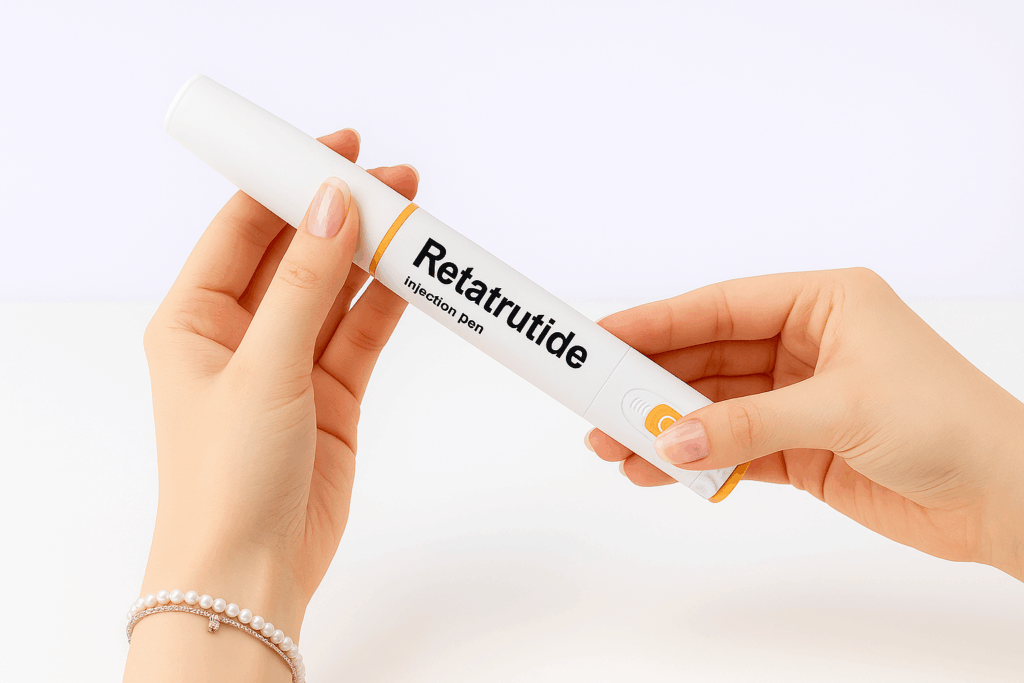
Retatrutide (LY-3437943) is an experimental peptide that acts as a triple agonist on the GLP-1, GIP, and glucagon receptors. This multi-receptor mechanism gives it a distinct metabolic profile — combining effects on appetite, insulin regulation, and energy expenditure — which sets it apart from older GLP-1 or dual-agonist compounds.
Key Benefits and Advantages
- Substantial Weight Loss
In a phase 2 clinical trial, participants treated with retatrutide experienced dramatic reductions in body weight. Over 48 weeks, the highest dose (12 mg) led to an average weight loss of 24.2%, compared to just 2.1% in the placebo group. PubMed - Improved Glucose Control
Retatrutide demonstrated clinically meaningful reductions in glycated hemoglobin (HbA1c) among people with type 2 diabetes, indicating strong potential for glycemic control. PubMed - Fat Mass Reduction with Lean Preservation
In a substudy focused on body composition, retatrutide significantly decreased total fat mass while preserving lean mass, suggesting that much of the weight lost is fat rather than muscle. PubMed - Liver Fat Reduction
In a cohort of people with metabolic dysfunction–associated steatotic liver disease, retatrutide reduced liver fat by up to ~82% (depending on dose) after 24 weeks — a very promising result for nonalcoholic fatty liver disease (NAFLD). PubMed - Increased Energy Expenditure
Because retatrutide activates the glucagon receptor, it may boost energy use and fat burning more than peptides that only target GLP-1 or GIP. agemd.com - Safety Profile
The main side effects observed were mild to moderate gastrointestinal symptoms (nausea, diarrhea, etc.), which were dose-dependent but generally manageable. PubMed
Caution & Research Status
It’s important to emphasize that retatrutide is still in the research phase. Despite very encouraging early data, more studies — especially long-term and large-scale trials — are needed to fully understand its safety, optimal dosing, and long-term effects.